


The tutu has captivated audiences ever since it first graced the stage and has since evolved in tandem with the dance and fashions of every age. In celebration of World Tutu Day (02/02), let’s look at how it connects the dancers of today to ballet’s rich history.
The Romantic Tutu
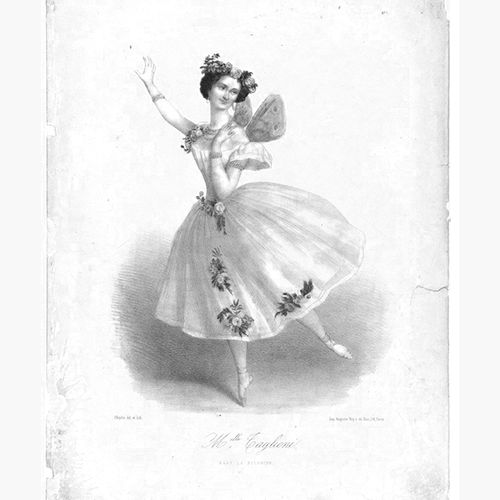
The first tutu was introduced to the world by ballet dancer Marie Taglioni when she stepped onto the Paris Opera stage in 1832. Her father had created the infamous ballet La Sylphide – the first ballet to feature dancing en pointe as part of the artistry of the dance, rather than as an acrobatic stunt. The tutu was a large, bell-shaped garment that was made out of soft fabric, designed to rise up above Marie’s feet and keep them in the spotlight.
This tutu became known as the Romantic tutu. Although the word tutu remains a mystery, it is fabled to mean “bottom” after the French children’s word cucu (tu-tu) as it skirts around the dancer’s waist. The Romantic tutu reflected the changing times where showing a woman’s ankles slowly ceased to be scandalous, as well as exhibited the advances made in fashion due to the Industrial Revolution. Many ballets from this era were full of ethereal and otherworldly themes as artists questioned man vs nature, good vs bad and society vs the supernatural.
The tutus were made from cotton muslin and gauze, which had previously only been available from India but was now being grown in the Americas and woven in British factories. The turn of the 19th century also saw the invention of a weaving machine that could create “bobbinet” (now known as tulle), previously made by hand. The muslin, gauze and tulle were stiffened with starch derived from corn and wheat, and were layered to form the skirt of the tutu. These light fabrics, together with the introduction of pointe work, gave the marvellous illusion that the dancer was floating.
1
2
3
4
5
6
7
8
9
10
11
12
The Classical Tutu
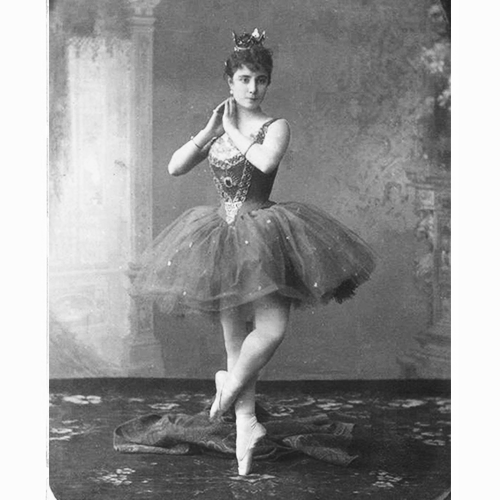
By the end of the 19th century, ballet technique had continued to evolve and so, too, had the tutu. As the demands of pointe work increased, the tutu was shortened to just above the knee. While the Romantic period had favoured the diaphanous quality, the late-19th-century tutu had a more defined shape and elaborate embellishments on the corseted bodice. Notable ballets by choreographer Marius Petipa and composer Pyotr Ilyich Tchaikovsky such as The Nutcracker, The Sleeping Beauty and Swan Lake decorated the Classical era. This new, shorter costume allowed more of the legs to be visible, drawing attention to more demanding footwork, petit allégro and virtuosic turns.
An average Classical tutu today has between 10 and 13 graduated layers of gathered net (approximately 25 meters!) with a metal hoop inserted into the middle layer. These layers are tacked together in a particular way to allow the tutu to be both stable and to move with the dancer. It can take up to 120 hours to make a highly decorated tutu, costing up to thousands of dollars. That being said, a tutu when taken care of, can last 20-30 years, and the passing down of costume from dancer to dancer is often a rite of passage as they cherish every story told within each seam.
There are several variations on the Classical tutu today. The pancake tutu sits on the dancer’s hip while the platter tutu sits on the dancer’s waists instead. The powderpuff tutu on the other hand is light and fluffy, and doesn’t require a hoop to support itself. To hold the shape, short, flared tutus are stored upside down.
1
2
3
4
5
6
7
8
9
10
11
12
The Modern Tutu – Playing with Shape and Style
Over the years, designers and choreographers have experimented with the design and shape of this iconic garment. In 1996 Stephen Galloway designed the now iconic disc-like tutus for William Forsythe’s The Vertiginous Thrill of Exactitude. These costumes, while referencing the classical tutu, created a new, streamlined silhouette.
Tutus are also no longer restricted to the stage – Bjork wore one (complete with swan head and egg) to the Oscars in 2001, Serena Williams played at the 2018 US Open in an asymmetric tutu dress, and renowned fashion designers such as Lacroix and Valentino are often looking to the ballet for inspiration.

1
2
3
4
5
6
7
8
9
10
11
12
There is no limit but the imagination when it comes to designing tutus, it’s versatility allows for old stories to be told anew and for fresh ideas to come into play.
Happy World Tutu Day!
 Previous